
This category consist of different types of the composite instruments, differentiating on the basis of type, shape, size and colors.
100 in stock
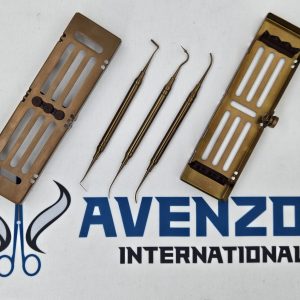
100 in stock

100 in stock
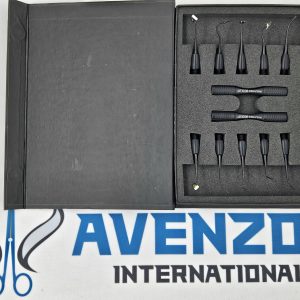
100 in stock
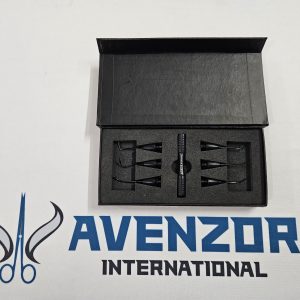
Precision-engineered composite instruments for placing, condensing, contouring, and finishing resin restorations — trusted by restorative and cosmetic dental practices across the United States. Explore our full line of titanium-coated placement tools, pluggers, burnishers, and complete composite kits, part of our wider dental instruments collection.
Every instrument is built to eliminate pull-back and sticking, hold an edge through repeated autoclave cycles, and give clinicians the tactile control needed for Class I–V restorations, veneers, and cosmetic contouring. Whether you're outfitting a single operatory or a multi-chair practice, Avenzor International ships restorative-grade instruments direct to U.S. dental offices and distributors.
What Are Composite Instruments?
Composite instruments — also called composite placement instruments, plastic filling instruments, or composite fillers — are hand instruments used to carry, place, condense, contour, and finish resin composite material during direct restorative procedures. Standard stainless-steel instruments tend to grab uncured composite, causing pull-back, voids, and constant wiping mid-procedure. Modern composite instruments solve this with non-stick coatings (typically titanium nitride) and tip geometries designed specifically for resin handling rather than amalgam. This lets clinicians:- Place and adapt composite cleanly, in fewer strokes
- Sculpt natural anatomy and contact points before curing
- Cut down finishing and polishing chair time
- Achieve tighter marginal integrity and better aesthetic outcomes
Types of Composite Instruments
Composite instruments aren't one-size-fits-all — most restorative setups combine several tip styles. Here's what each type is built for:Goldstein & Flexi-Thin Placement Instruments
Thin, flexible paddle-shaped tips (commonly numbered #1–#6) used for placing and shaping composite in Class III, IV, and V preparations, veneers, and anterior restorations where fine control matters most.Pluggers & Condensers
Flat or ball-shaped working ends used to pack and compact composite into the cavity floor and walls, eliminating voids and ensuring full adaptation to the preparation before contouring begins.Burnishers
Ball- or football-shaped tips used to smooth and refine composite surface texture, close margins, and create natural anatomical contours immediately before light-curing.Carvers & Sculpting Instruments
Hollenback-style and acorn-tip carvers used to define cusps, ridges, and occlusal anatomy, giving the restoration a natural bite surface and contact points.Complete Composite Kits
Multi-instrument sets (typically 5–14 pieces) that combine placement, condensing, and burnishing tips in one autoclavable cassette — the most practical option for stocking a new operatory or standardizing instruments across a multi-provider practice.How to Choose the Right Composite Instrument
- Match the tip to the tooth surface — thin Flexi-Thin paddles for anteriors and veneers; broader paddles and condensers for posterior Class I/II restorations
- Buy double-ended instruments where possible — reduces the number of tools you need to keep sterilized and within reach chairside
- Prioritize coated tips if your practice does high composite volume — non-stick surfaces meaningfully cut chair time
- Stock a complete kit for new operatories, then add specialty single tips (acorn burnishers, mini Goldsteins) as case mix demands
Why U.S. Dental Practices Choose Avenzor Composite Instruments
Avenzor International supplies dental, orthopedic, and veterinary instruments to practices and distributors across the United States. Our composite instruments are manufactured for daily clinical use — autoclavable, ergonomically balanced, and finished with non-stick coatings built to outlast repeated sterilization cycles. Browse our full dental instruments range, or contact us for wholesale and practice-wide pricing.
Frequently Asked Questions
- What is a composite instrument used for? Composite instruments place, condense, contour, and finish resin composite material during direct restorative and cosmetic dental procedures.
- Why do composite instruments have gold/titanium tips? The gold color comes from a titanium nitride coating, which creates a non-stick surface that keeps uncured composite from sticking to the instrument during placement.
- Are composite instruments autoclavable? Yes. Composite instruments from Avenzor are designed to withstand standard autoclave sterilization cycles used in U.S. dental practices.
- What's the difference between a composite instrument and a plugger/condenser? A composite instrument typically refers to a placement or contouring tool (often a Goldstein-style paddle), while pluggers and condensers are specifically shaped to compact and pack material into the cavity before contouring.
- How many composite instruments does a dental practice need? Most restorative operatories run a 5–7 piece core set (placement, condenser, burnisher, carver) and add specialty tips for veneers, anterior work, or Class-specific cases as needed.
